
Noonday Farms
The Challenge
In today’s world, efficiency often comes at the expense of equity and intimacy, and that’s especially true across our modern food landscape. Large-scale systems excel at industrial-sized production and moving calories from point A to point B and beyond. While these strategies might meet goals of profit-focused sustainability, our prevailing models frequently fail to address market inequities and environmental stewardship concerns, and they can often leave the human spirit starving for connection.
Amy Brown’s journey to challenging this landscape began in 2005 at Hampshire College in Massachusetts, where she first became immersed in the vibrant culture of community-supported agriculture (CSA). By 2008, she and her then-husband had founded Common Thread Community Farm in rural New York, operating on the foundational belief that food is the ultimate connector. Over the next five seasons, they scaled the project from a modest double-digit pilot into a thriving, multi-pronged 300-member operation that supplied local families, restaurants, and university cafeterias.
“Food is the entry point, but it’s not the end goal. It brings people together across differences because it’s something we all share.”
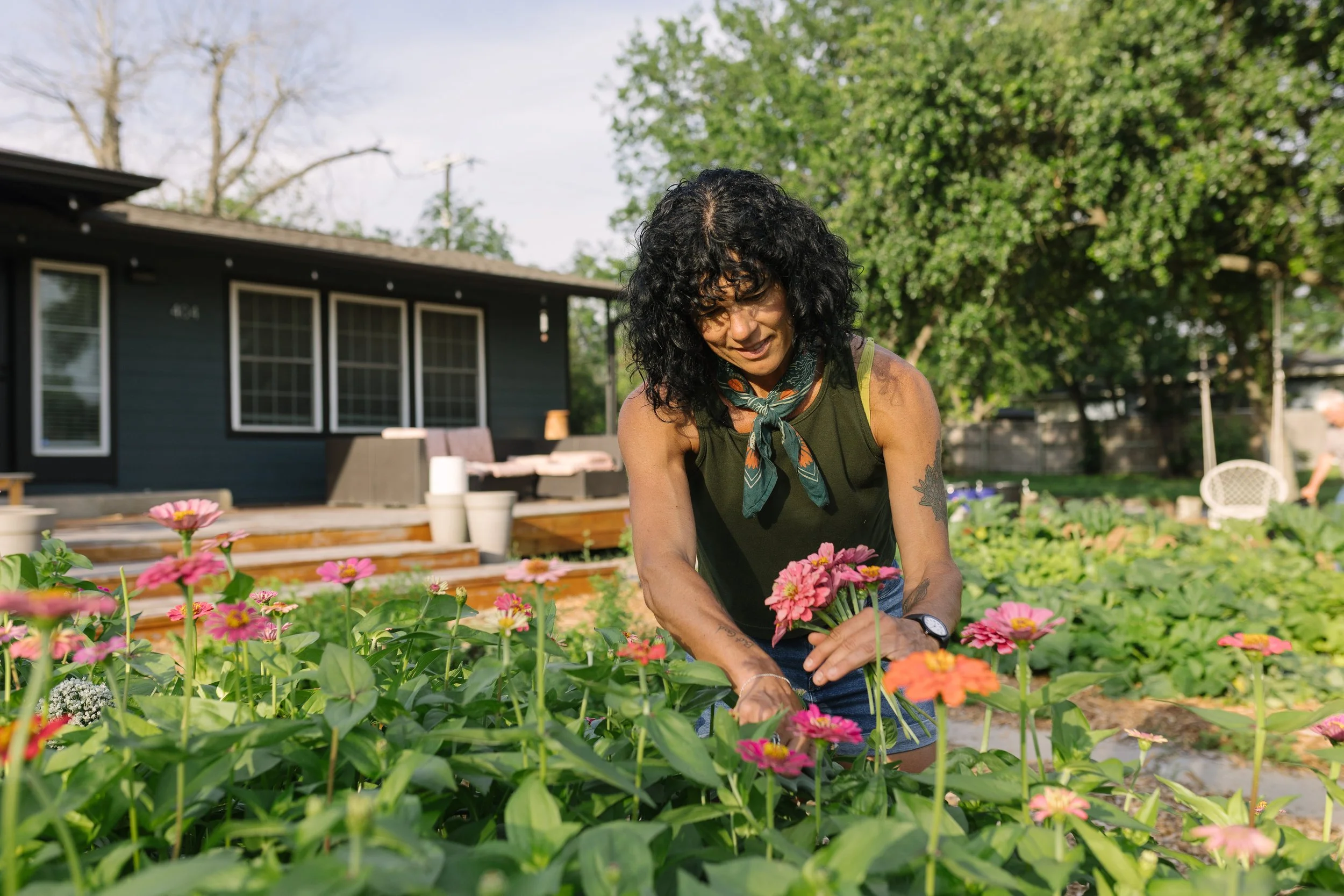
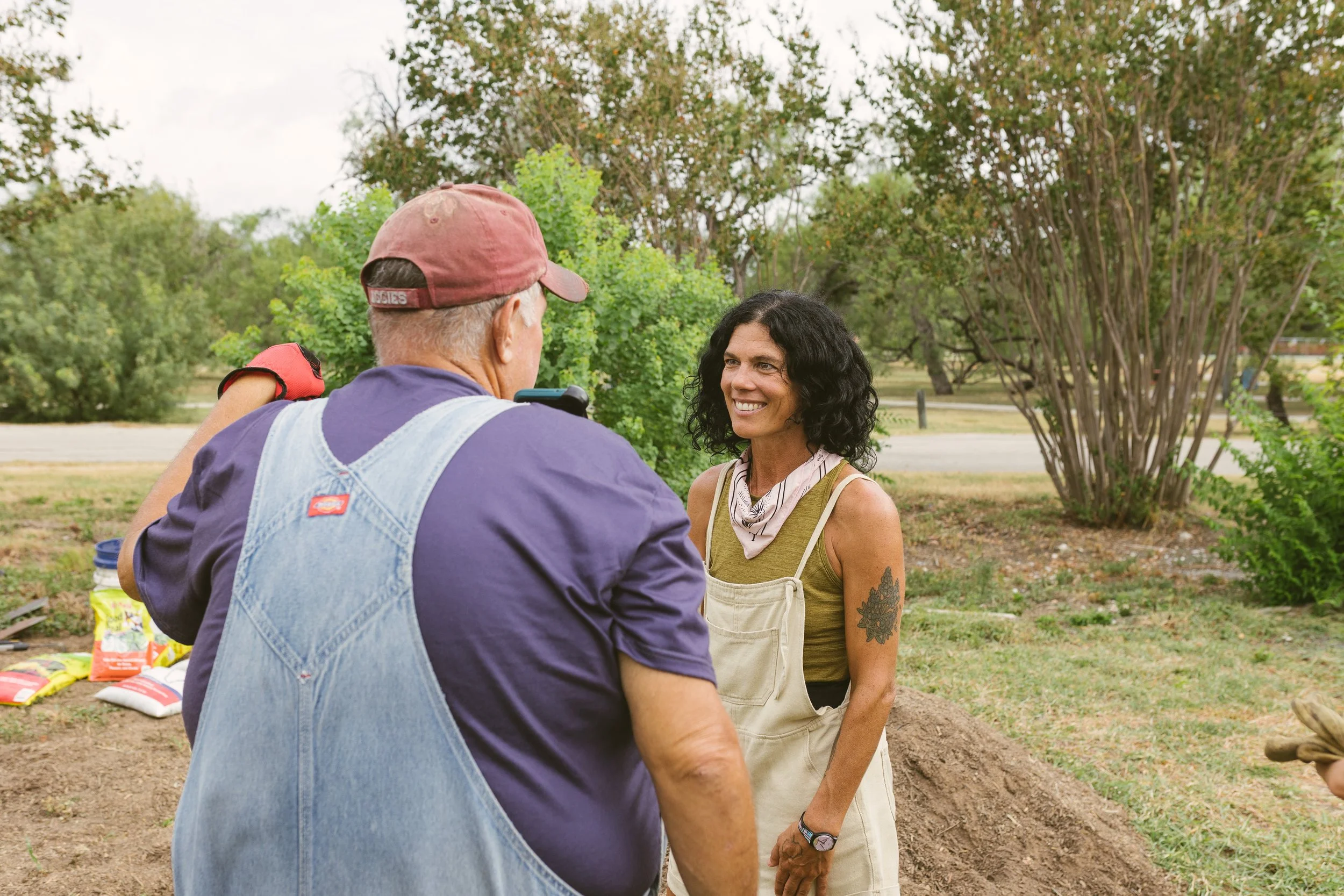
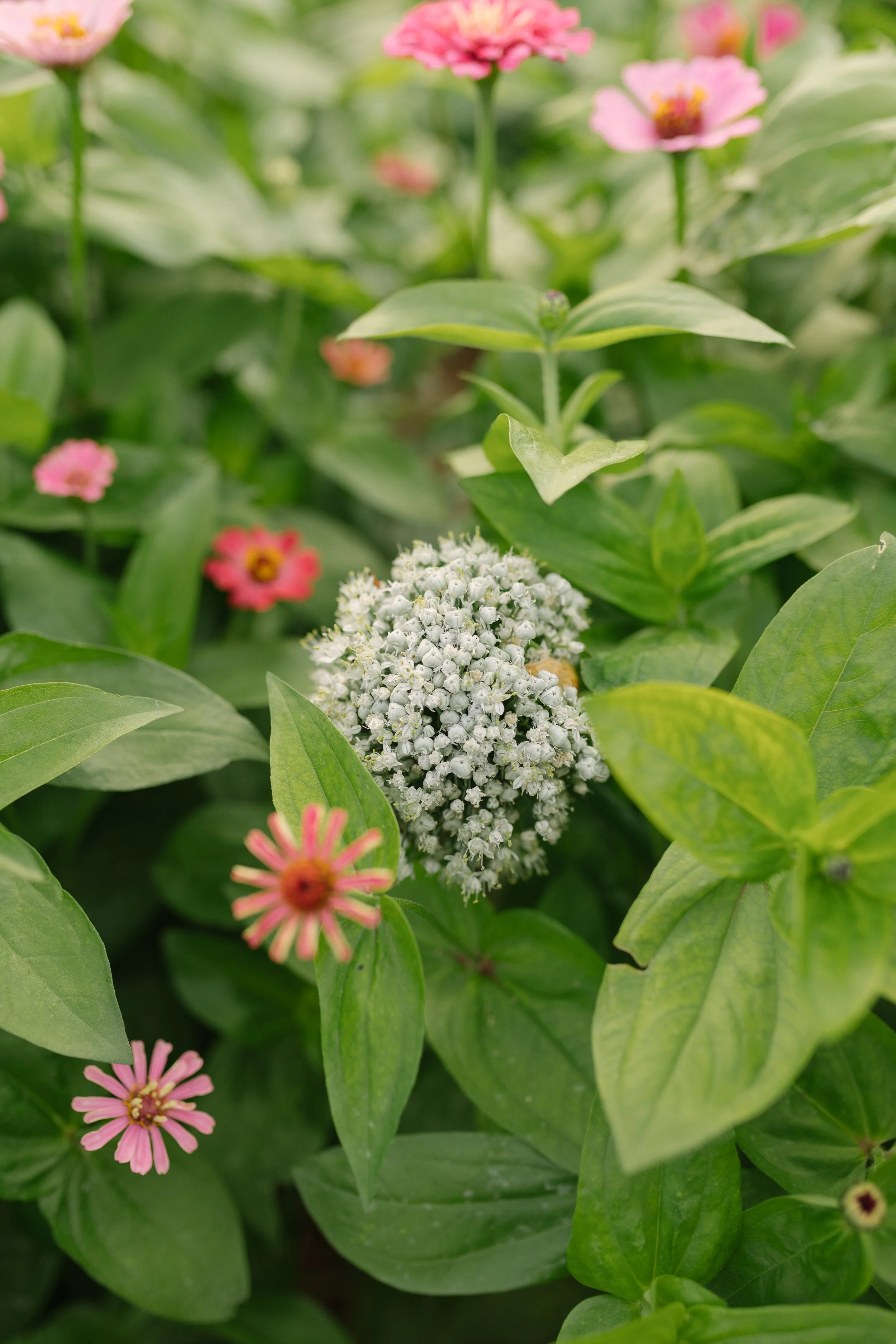
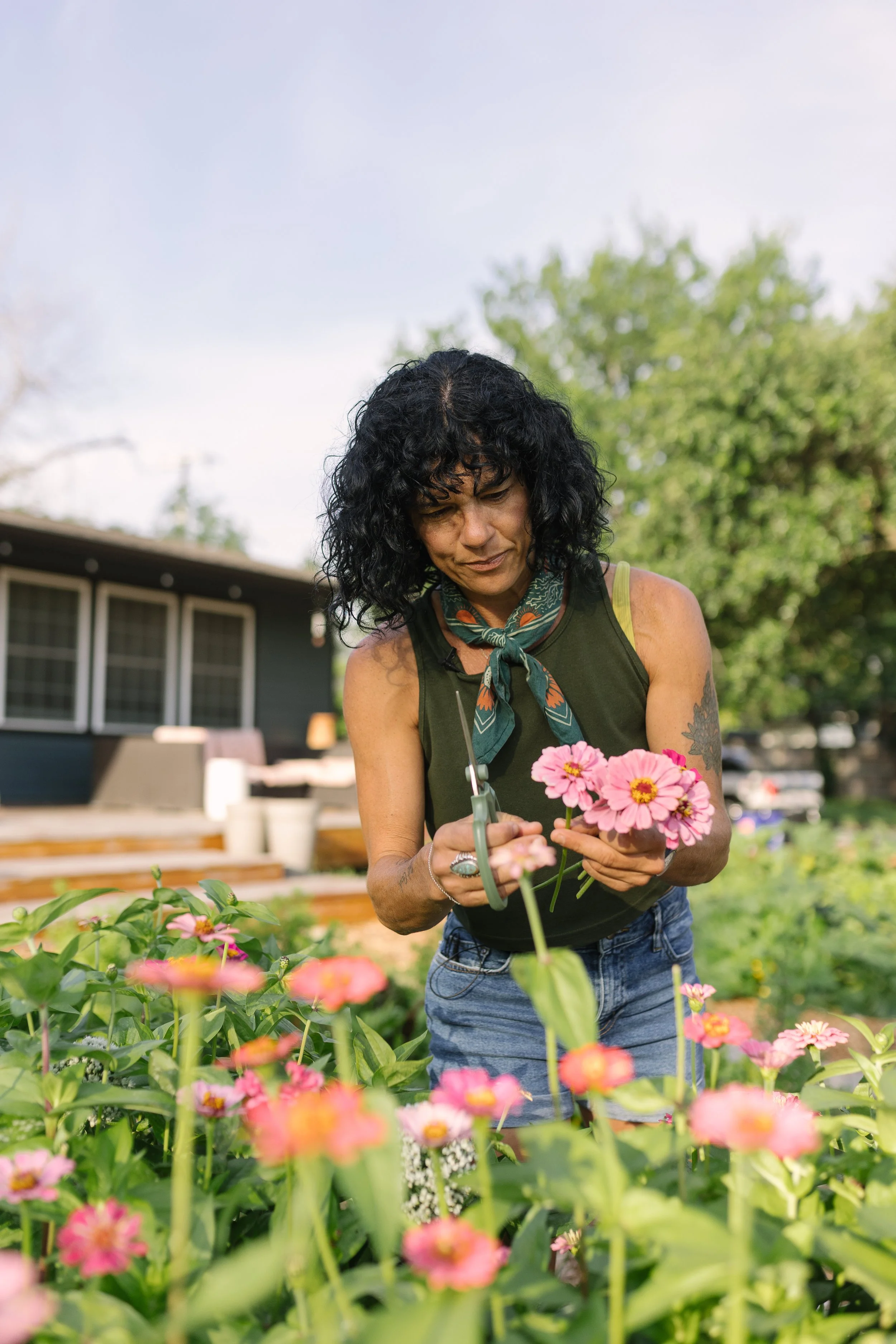
When she later relocated to San Antonio, Brown brought this deep agricultural expertise with her. She broke ground on Noonday Farms in January 2025 as a small garden in her own front yard with one simple goal: to feed five households in her immediate neighborhood. This initial project was a way to steward her own land while testing the viability of local food production. As she spent more time in the soil, she realized the garden could produce more than just vegetables. It had the potential to become a hub for conversation and a bridge between neighbors who had previously lived in silos.
Brown was pondering these realities and challenges while journaling on a flight not long ago when she experienced a pivotal realization. "Drawing from my experience running a community-supported farm and working with Meals on Wheels, the possibility of meeting both the physical and emotional needs of people through food just clicked,” she recalls. While delivering food for Meals on Wheels, she witnessed firsthand the power of food delivery to forge deep human connections. Still, she also noticed a distinct gap in the system: fresh produce wasn’t on the home-delivery table, and the tables being served were often isolated. “Presence, dignity, and compassion can and should be offered alongside the food.”
There at 30,000 feet, these two ideas grafted together in Brown’s mind and sunk their roots deep. Noonday Farms wouldn’t just be about the logistics of gardening in an urban setting. Now, Brown found Noonday’s mission at the intersection of nourishment and connection. "Food is the entry point, but it’s not the end goal,” she says of her strategy. “It brings people together across differences because it’s something we all share." Under this vision, Noonday’s harvest would feed hungry bellies while simultaneously nourishing souls.
To make that happen, Brown recognized a specific set of challenges. First, she had to address existing systemic gaps—the reality that some neighbors lack access to healthy, sustainably produced food, alongside the silent hunger of isolation that persists in communities even when basic nutritional needs are met. Second, she needed to rethink how we use local land. Suburban front yards, undeveloped lots, and quiet church campuses are often viewed as mere landscapes, but Brown saw them as latent assets. She envisioned a "front-yard farm" approach where growing food becomes a visible invitation for neighbors to step out of their homes and participate in a shared, relational food system.
The Impact Guild Approach
The Impact Guild began in 2017 with its own connection-centered mission: to provide a home for social innovation in San Antonio. Originally established as a coworking space, the organization served as a hub for entrepreneurs, nonprofits, and creatives looking to align their professional work with social impact. This early chapter fostered a unique culture of collaboration, proving that when diverse people share a space and a purpose, the potential for community transformation grows exponentially.
As the organization evolved, it moved beyond the walls of a single building to become a catalyst for neighborhood-based solutions across the city. The Impact Guild now operates as a connector between latent community assets and the neighbors who can steward them toward a more sustainable future. By focusing on place-based strategies, the Impact Guild helps residents and local organizations identify the resources already present in their own backyards—whether those are physical spaces, shared skills, or social networks. This approach shifts the focus from external intervention to internal empowerment, cultivating the resilient communities necessary for San Antonio to thrive in the face of present-day and future challenges.
Climate Ready Neighborhoods
Central to this effort is the Climate Ready Neighborhoods (CRN) program, a joint initiative between The Impact Guild and the City of San Antonio’s Department of Resilience & Sustainability. CRN is designed to move climate action from a theoretical global issue to a practical neighborhood reality. The program acknowledges that while extreme weather events impact the entire city, the ability to be ready for and recover from those "storms of life" depends on the strength of local relationships. “Sometimes progress looks less like big breakthroughs and more like neighbors slowly learning to trust one another, leaders continuing to show up even when they are tired, and small conversations turning into real relationships,” says Regna Guevara, the CRN Project Manager. “Still, slow progress is progress, and across the Climate Ready Neighborhoods network, I continue seeing people choose connection, care, and resilience again and again.” By providing equitable access to information, training, and funding, CRN equips San Antonio residents to build a "mosaic of resilience" that is as diverse as the city itself.
“The work may feel slow at times, but the roots are growing deeper.”
The structural heart of this program is the Neighborhood Point of Distribution (POD). These PODs are community-led spaces—ranging from collections of neighbors to neighborhood associations to faith-based campuses—that serve as trusted hubs for connection and resource sharing. A POD is more than just a physical site; it is a commitment to resilience. During a crisis, a POD serves as a primary source of emergency supplies and local communication. During periods of stability, it serves as a center of social cohesion and neighborhood stewardship. By formalizing these spaces through the CRN Field Guide and a network of Resource Partners, The Impact Guild and the City work together to ensure that every neighborhood has a pathway to greater self-reliance and connection.
Noonday Farms serves as a vital POD within this network. By integrating agricultural production into residential and congregational spaces, Brown and her team are doing more than growing vegetables. They are building a visible infrastructure for resilience. “I’ve loved seeing PODs strengthen communication during storms, welcome new neighbors into gatherings, and begin dreaming about what sustainable projects could look like in their communities,” Guevara says. “The work may feel slow at times, but the roots are growing deeper.”
The Community Flourishing Framework
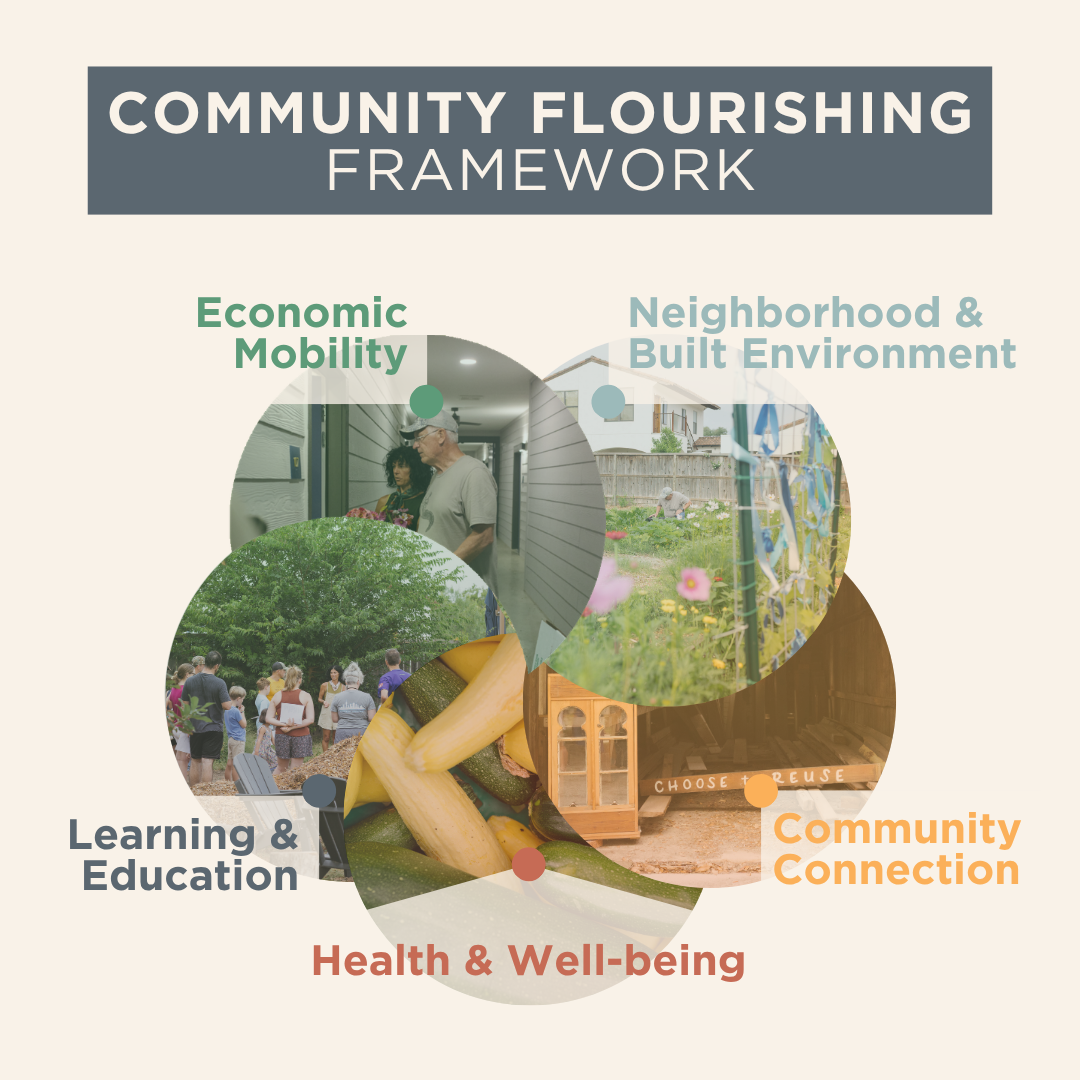
To guide reimaginations of local land and labor, The Impact Guild developed a framework rooted in the “Social Determinants of Health.” These determinants are the underlying conditions—from economic potential and social support to the quality of the built environment—that strongly influence a community’s ability to thrive. While typically used in clinical settings to predict patient outcomes, this holistic model can also offer a powerful roadmap for community development. If a person’s potential to flourish is tied to the health of their surroundings, we must ask: “How can we cultivate neighborhoods that act as ecosystems of support?”
When thinking about the work with partners like Noonday Farms with this paradigm in mind, this approach moves beyond single-issue interventions to address five interconnected pillars of community flourishing:
Neighborhood & Built Environment: the physical spaces where people live, work, and gather that shape and connect daily life
Community Connection: the intentional work of building relationships that foster belonging, resilience, and shared support
Economic Mobility: the pathways for families to build financial stability, dignity, and opportunity
Learning & Education: the shared ways communities learn, grow, and carry wisdom forward
Health & Well-being: the conditions that nurture thriving bodies, minds, and spirits
Through this lens, Noonday Farms can blossom into more than a local garden. It can be seen as a living laboratory where these five pillars intertwine to cultivate a resilient, flourishing neighborhood.
The Framework in the World
Moving a vision from a journal entry to a thriving neighborhood farm requires a blend of rigid discipline and organic connection. For Brown, the initial phase was a solitary exercise in foundation-building. “The early phase required discipline, which isn’t a strong suit of mine,” she says. “That meant developing a website, choosing colors and fonts, crop plans, and seed orders. There were so, so many spreadsheets!” She balanced a full-time career with this invisible labor of a founder to ensure the mission had roots before it ever went public. As she began harvesting for the first five households, the conceptual became tangible. Yet, as the workload grew to encompass the tasks of three different job descriptions, she realized that sustaining a neighborhood-based solution would require a neighborhood-sized network.
A sense of belonging catalyzed the transition from a personal project to a community-wide mission. Brown began attending Grace Northridge Anglican Church in 2023, and by early 2025, she was sharing her front-yard experiments with clergy before Epiphany house blessings. These spiritual and physical local connections began to germinate through a web of neighbors and community networks. A pivotal moment in this growth was her connection to The Impact Guild, facilitated by her neighbor, Kate Jaceldo, who heads the City of San Antonio’s share of the CRN project. Brown says the organic growth actually happened relatively effortlessly: "The mission is rooted in community, care, and collaboration, which are actually quite popular."
That’s where this popular mission found a structural home. By identifying Noonday Farms and the Grace Northridge campus as a CRN POD, the collaboration turned a single neighbor’s passion into a shared community asset. This partnership allowed Brown to overcome startup hurdles related to capacity and focus on the universal resonance of her work. “The greatest and most pleasant surprise has been how naturally the mission and vision resonate with everyone,” she beams. “Across all ages and backgrounds, people immediately understand and connect with it. That kind of universal response has been super encouraging.” With CRN’s infrastructure and the church’s land supporting her, Noonday Farms transitioned from a solitary garden to a visible anchor of community flourishing.
Pillar 1
Neighborhood & Built Environment
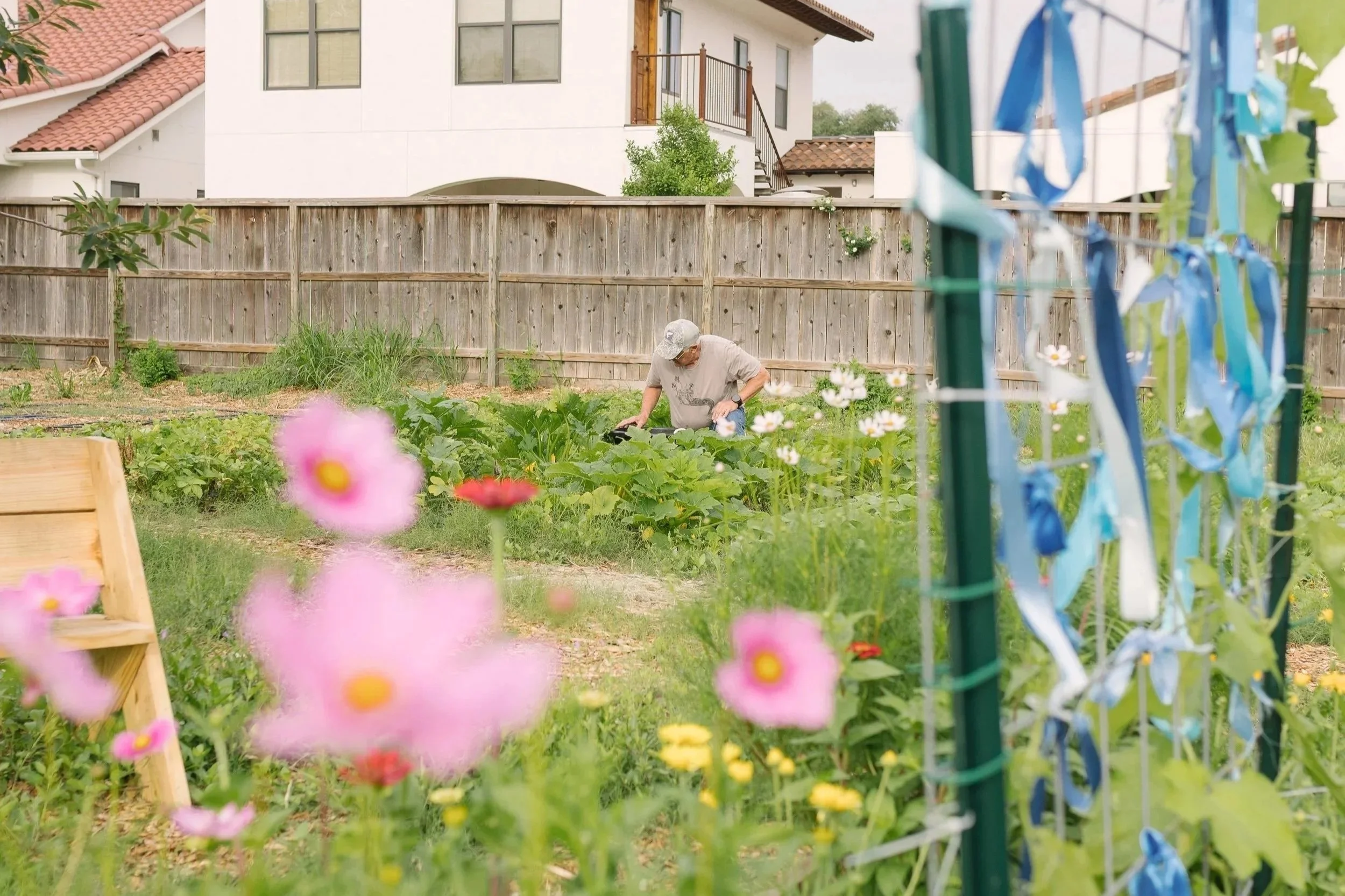
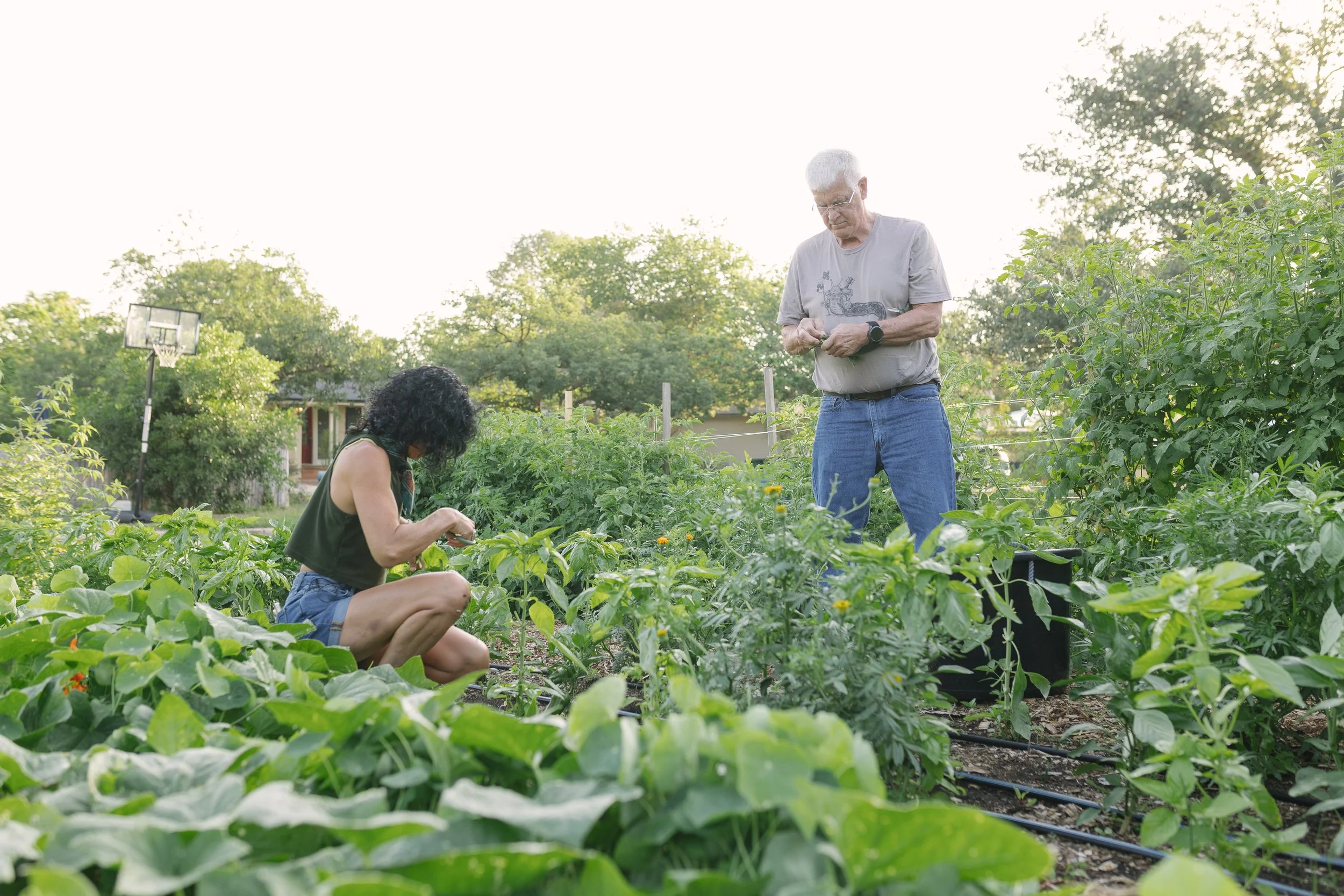
The primary challenge of modern urban life is that our resources often seem hidden from everyday awareness. We live in a world where food is tucked away in industrial warehouses, potential property is sequestered behind fences and weeds, and social support is behind closed doors. Noonday Farms flips this script by leveraging latent assets and making them conspicuous. In turning her front yard and the underutilized green space at the Grace Northridge campus into arable ground, Brown says it’s impossible not to take note of these "front-yard farms.” Now, as she rides her bike through Terrell Heights, she constantly notices unused land assets throughout the neighborhood—vacant lots, easements, the community traffic triangle—recognizing them as opportunities to disrupt local fragmentation.
THE FOOTPRINT
800 Row-Feet of Planted Soil
2,100 Pounds of Produce Harvested (2026)
420 Pounds Distributed Monthly
40 Weeks of Deliveries (2025 & 2026)
By activating these pockets of space, Noonday Farms has successfully cultivated three distinct farm sites, proving that an astonishing amount of food can come out of a small footprint. With about 2,000 row-feet of planted soil, the farm has already sustained over 40 weeks of produce deliveries. While a football-field-sized acre feels unattainable in an urban neighborhood, Noonday's hyper-localized approach has demonstrated high efficiency and high yields, harvesting over 2,100 pounds to date in 2026.
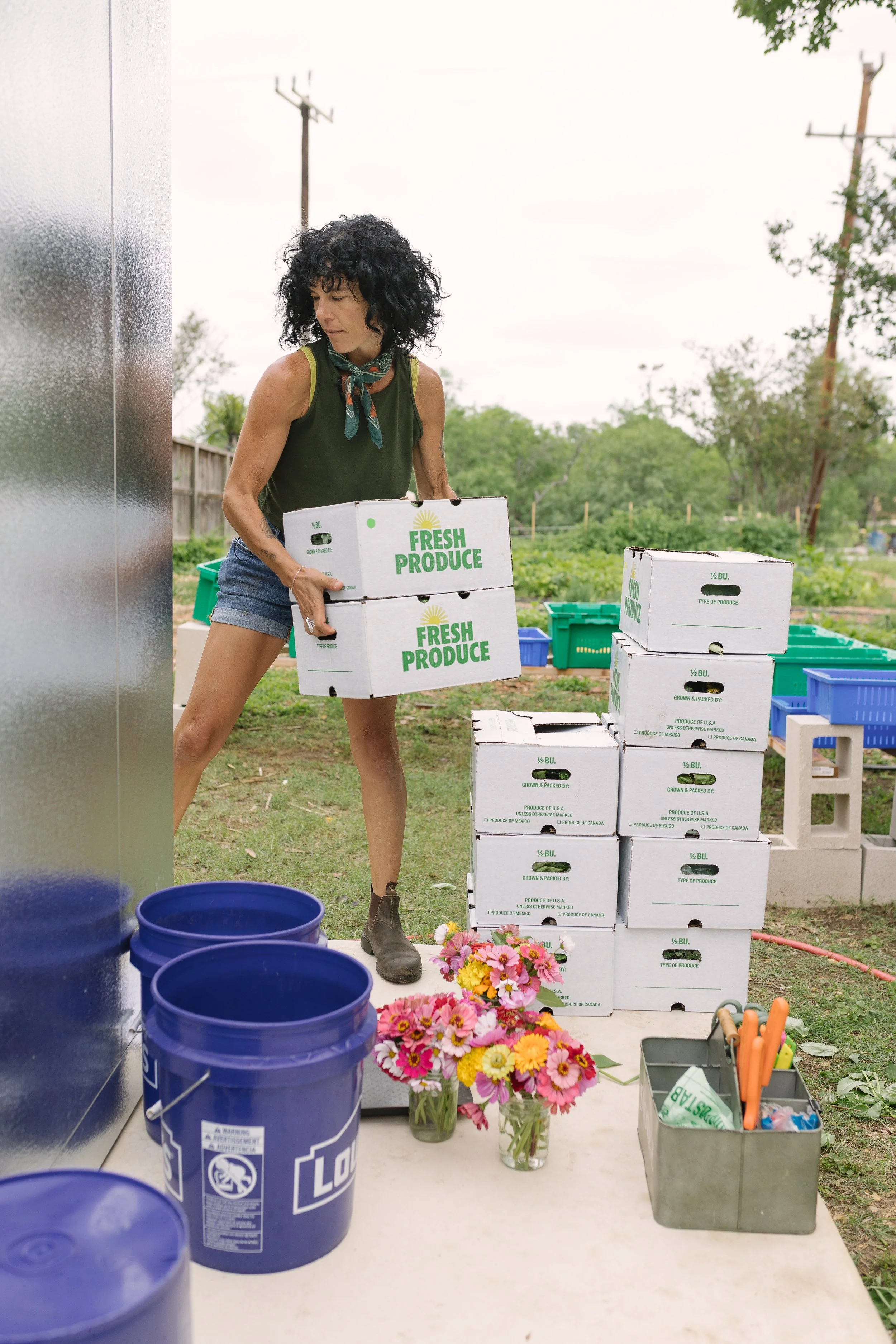
Scaling a visible food infrastructure requires adapting the physical environment to support it. At the Grace campus, cold storage was the critical linchpin for growth. Backed by a $5,000 grant from Climate Ready Neighborhoods and $10,000 from the PepsiCo Community Impact Foundation, volunteers installed an outdoor walk-in cooler that is entirely visible to passing traffic. To further optimize this site—which sits on a highly compacted, less fertile old baseball field—plans are underway for crucial drainage and irrigation improvements to manage heavy rains.
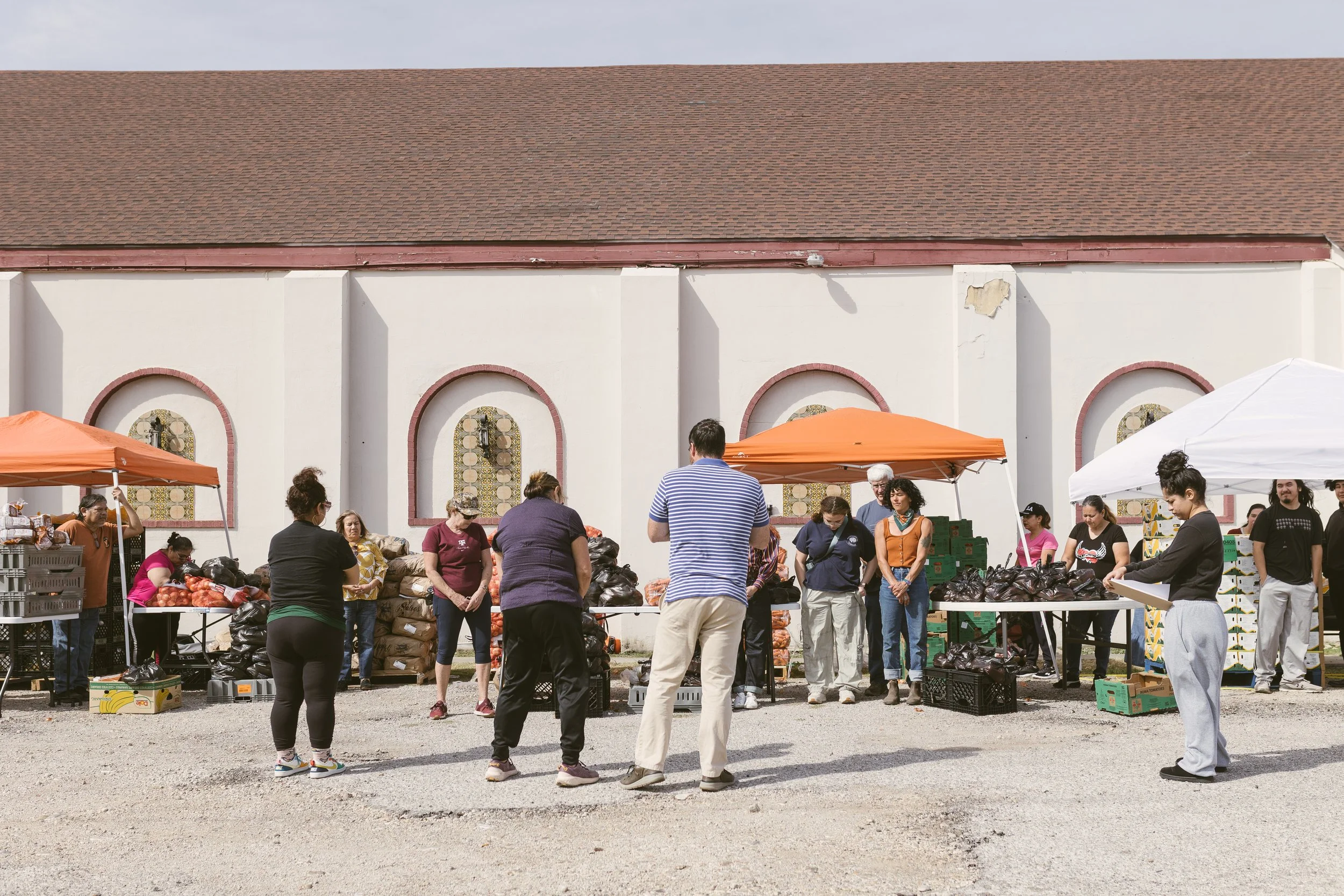
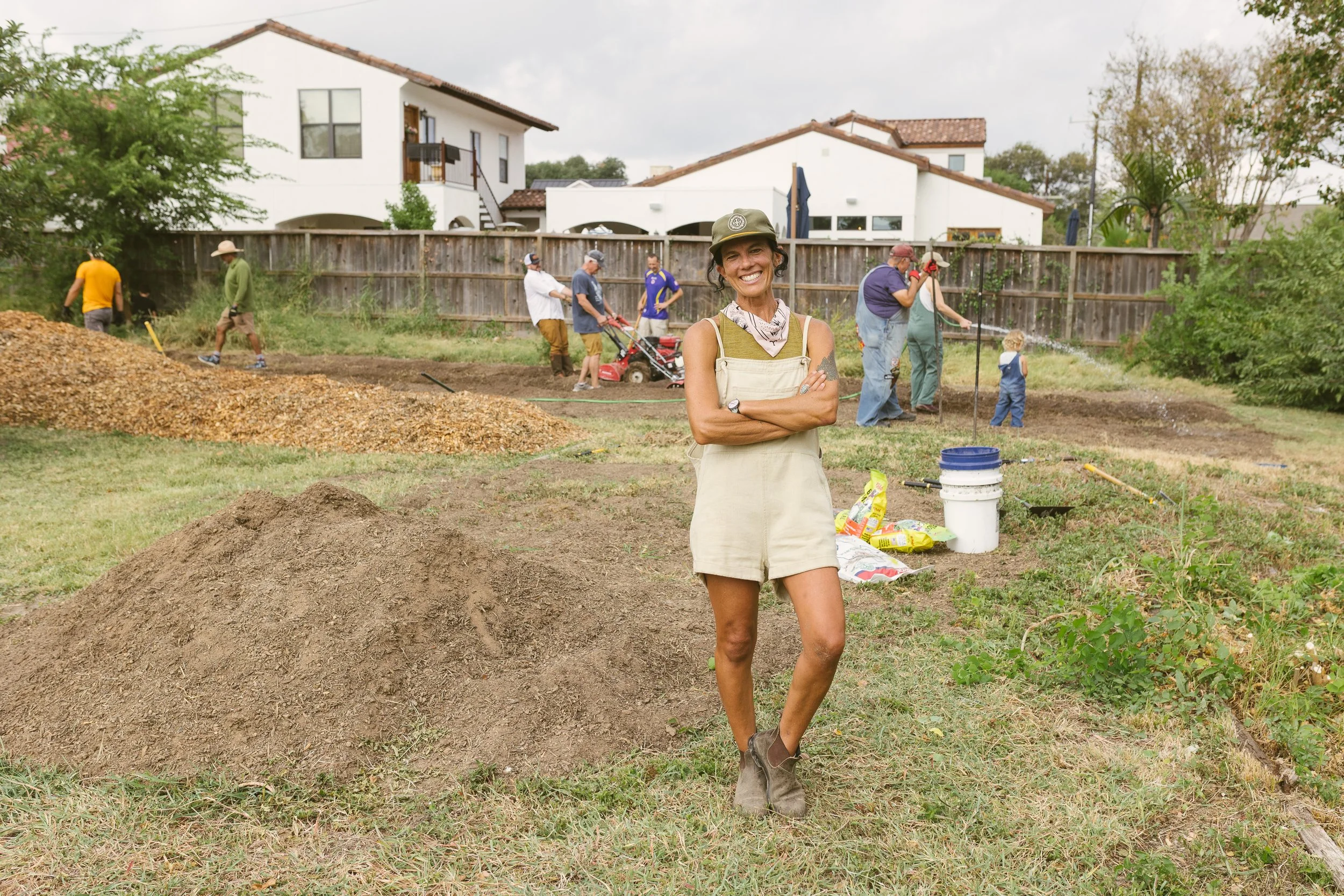
True environmental resilience also demands flexibility. When Noonday expanded to a third farm site with 12 raised beds at Kingdom Life Christian Ministries, the team faced steep learning challenges related to geography, construction barriers, and volunteer proximity. Rather than grinding it out with a mismatched model, Brown used it to adapt her approach per location. This test-and-adapt philosophy is already driving the next phase of infrastructure. Brown has already begun laying the logistical groundwork by delivering weekly boxes to households near El Templo Cristiano, while simultaneously seeking partners to help fund a second walk-in cooler on-site for El Templo's monthly food bank.
By placing agriculture in the middle of residential life, Brown has created a tangible, visible reminder that the food system can be local and relational. It isn’t just about aesthetics; it’s about accessibility and equity. When a farm exists where people walk their dogs or drive to work, the built environment itself begins to advocate for a more sustainable way of living. In removing the physical and psychological fences that surround our food systems, the farm transforms a private yard into a public invitation.
Pillar 2
Community Connection
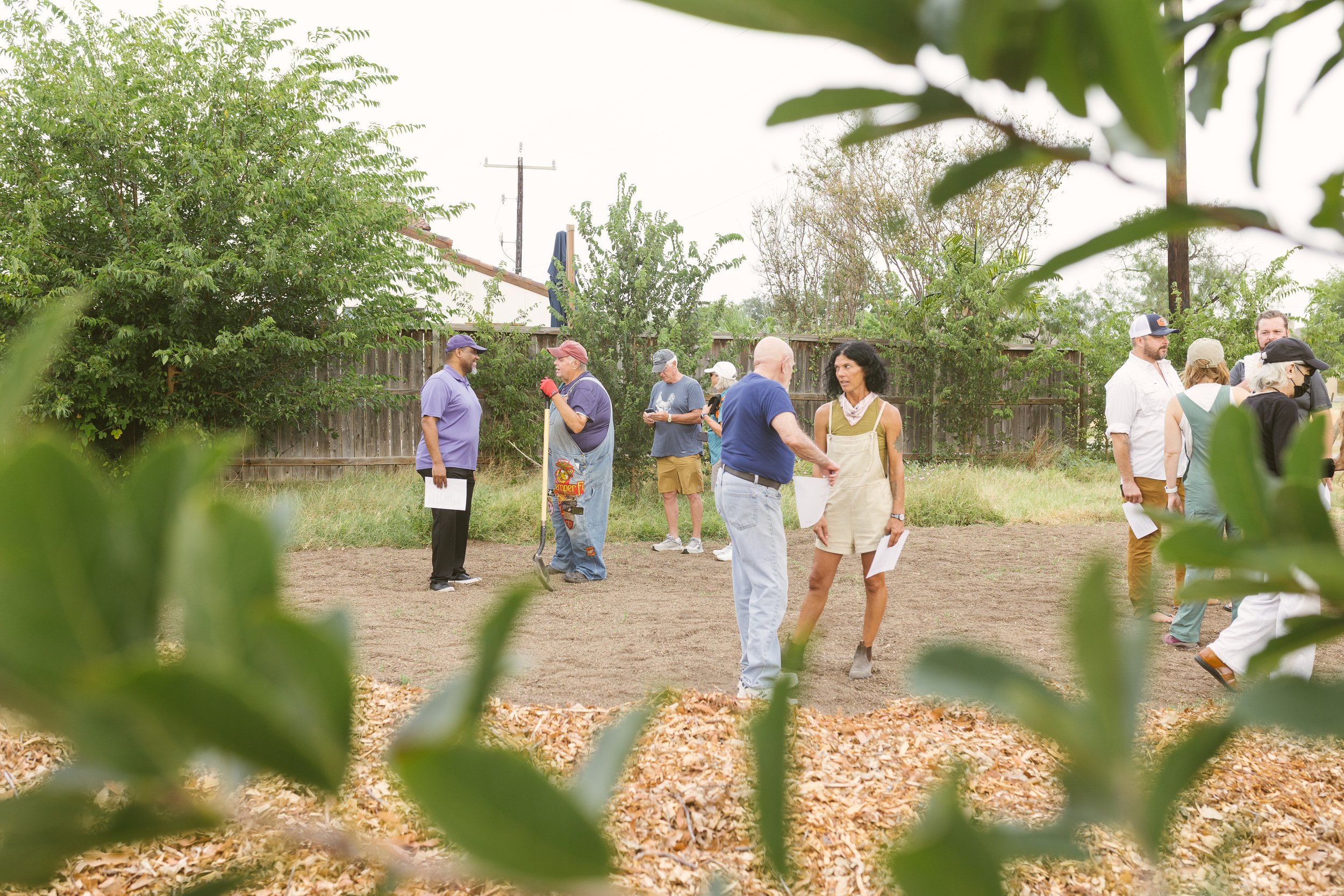
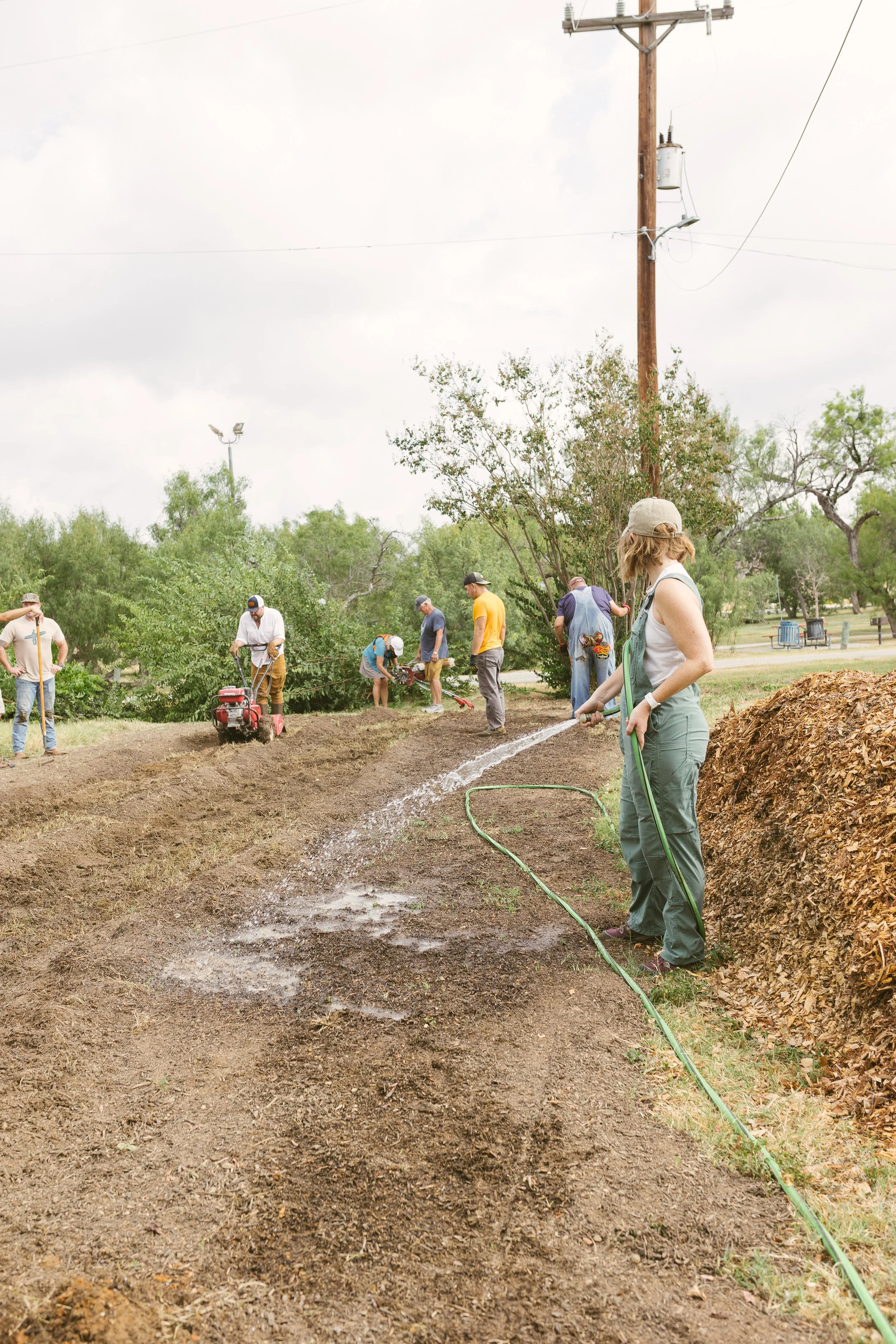
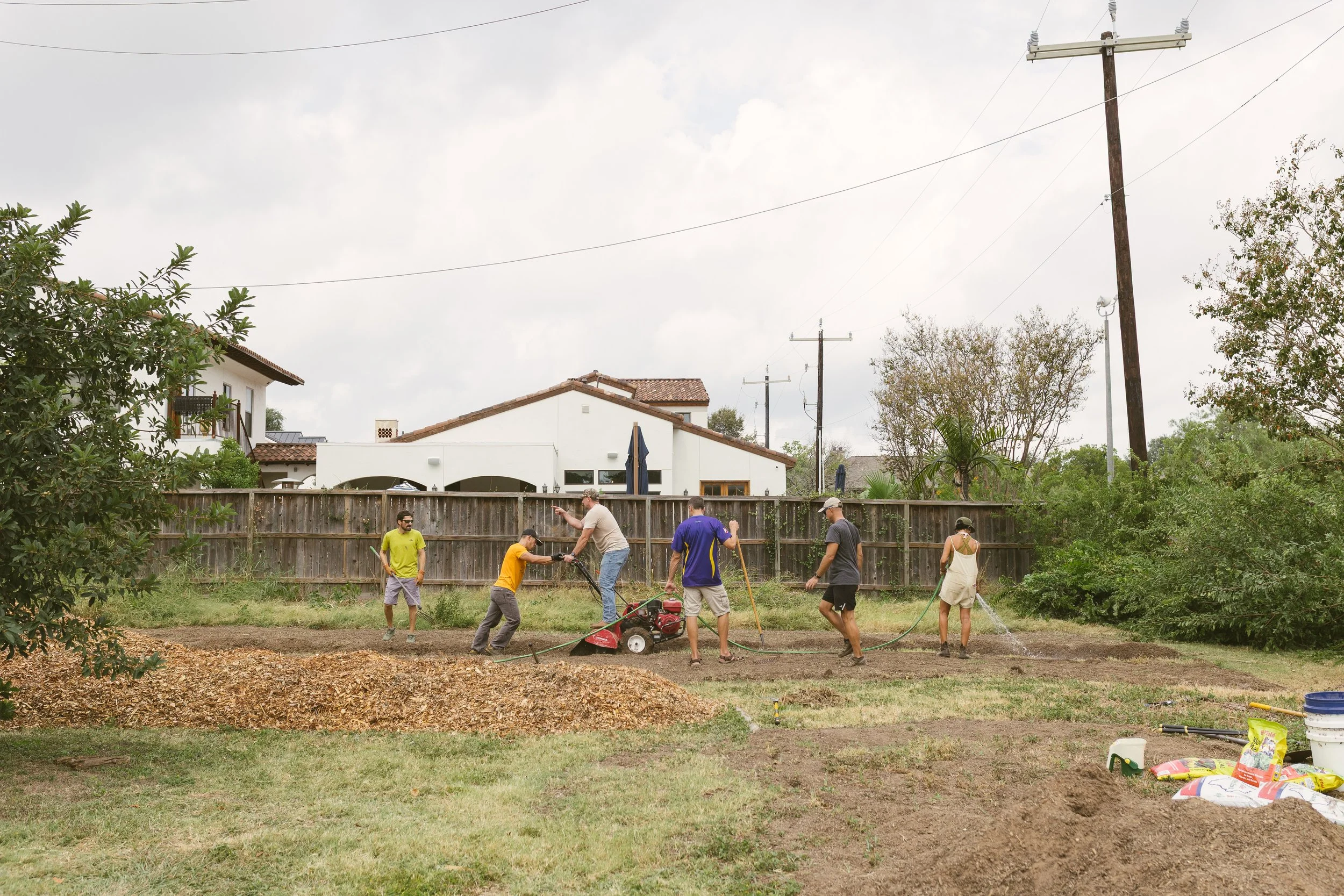
If the built environment provides the stage, community connection is the performance. At Noonday Farms, food is the "entry point" for relationships. “I love that people drive by, walk up, come over from the baseball field near Grace, or chat me up when I’m in my front yard farm and are curious about what’s going on here,” Brown says. “And when I tell them, they immediately think it’s cool.” Especially because there are consistent opportunities to plug in. As a Resource POD, hosting regular connection activities and community workdays instead of one-off events creates a reliable rhythm of interaction, in both structured and spontaneous ways.
“I love that people drive by, walk up, come over from the baseball field near Grace, or chat me up when I’m in my front yard farm and are curious about what’s going on here... When I tell them, they immediately think it’s cool.”
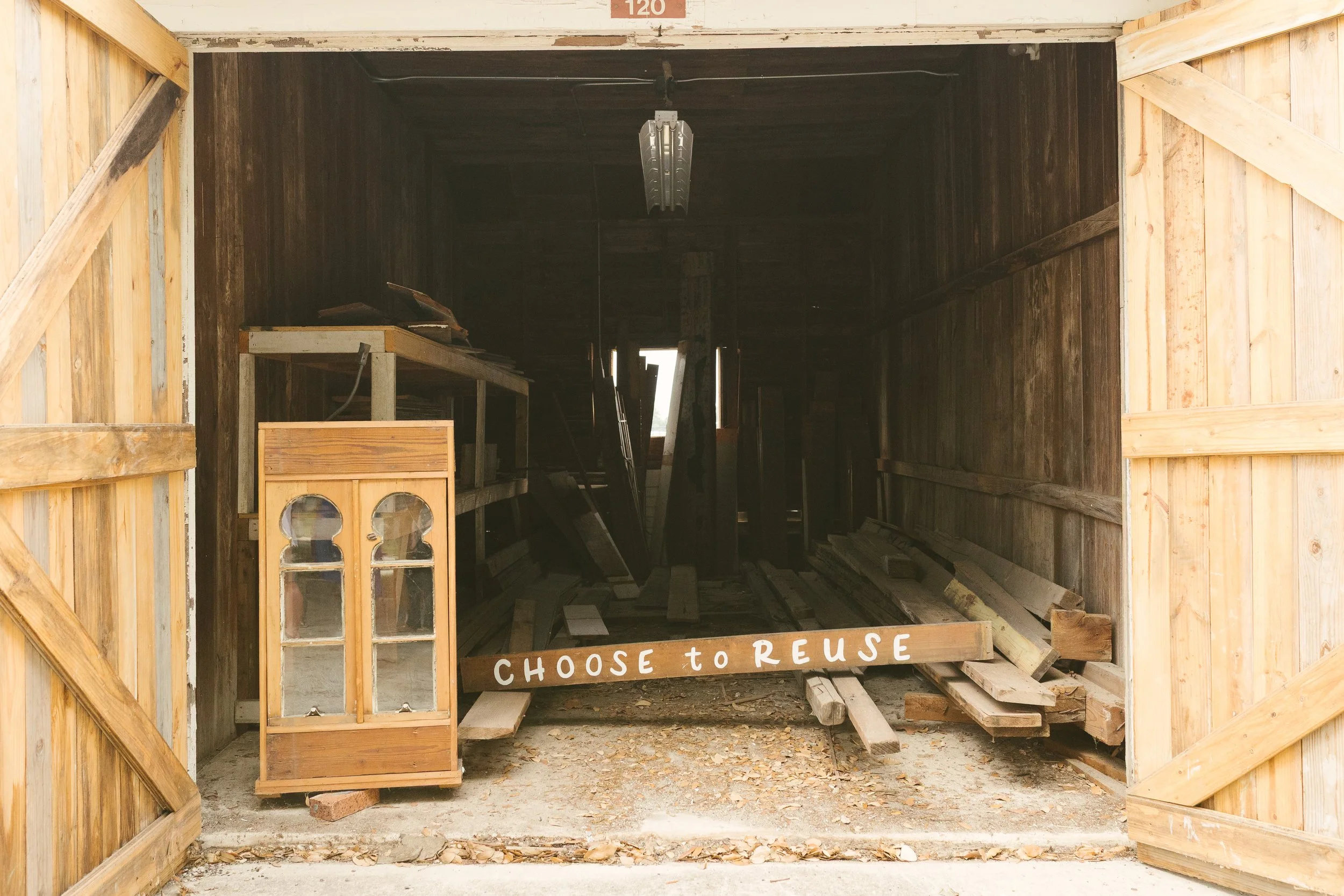
While establishing deep ties with box recipients is a primary focus, Brown notes that forming bonds with fellow local producers and growers is equally crucial. "Growers and producers are the most generous, hardest-working people I’ve ever met," Brown shares, emphasizing that these professional networks foster a spirit of abundance rather than market competition. These collaborative relationships have directly multiplied the farm's capacity through a dynamic network of CRN Resource Partners. For instance, Noonday partnered with the City of San Antonio’s Material Innovation Center (MIC) to source roughly 30 board feet of salvaged lumber from deconstructed sites to build new raised beds. Similarly, Urban Tree Company has donated over 20 cubic yards of wood chips for on-site weed suppression and aesthetics, while Mission Compost has installed a physical food-scrap collection locker at the Grace campus. This circular economy partnership allows neighbors to return organic waste to the soil, which, in turn, supplies the nutrient-rich compost that Noonday uses to fuel its crops.
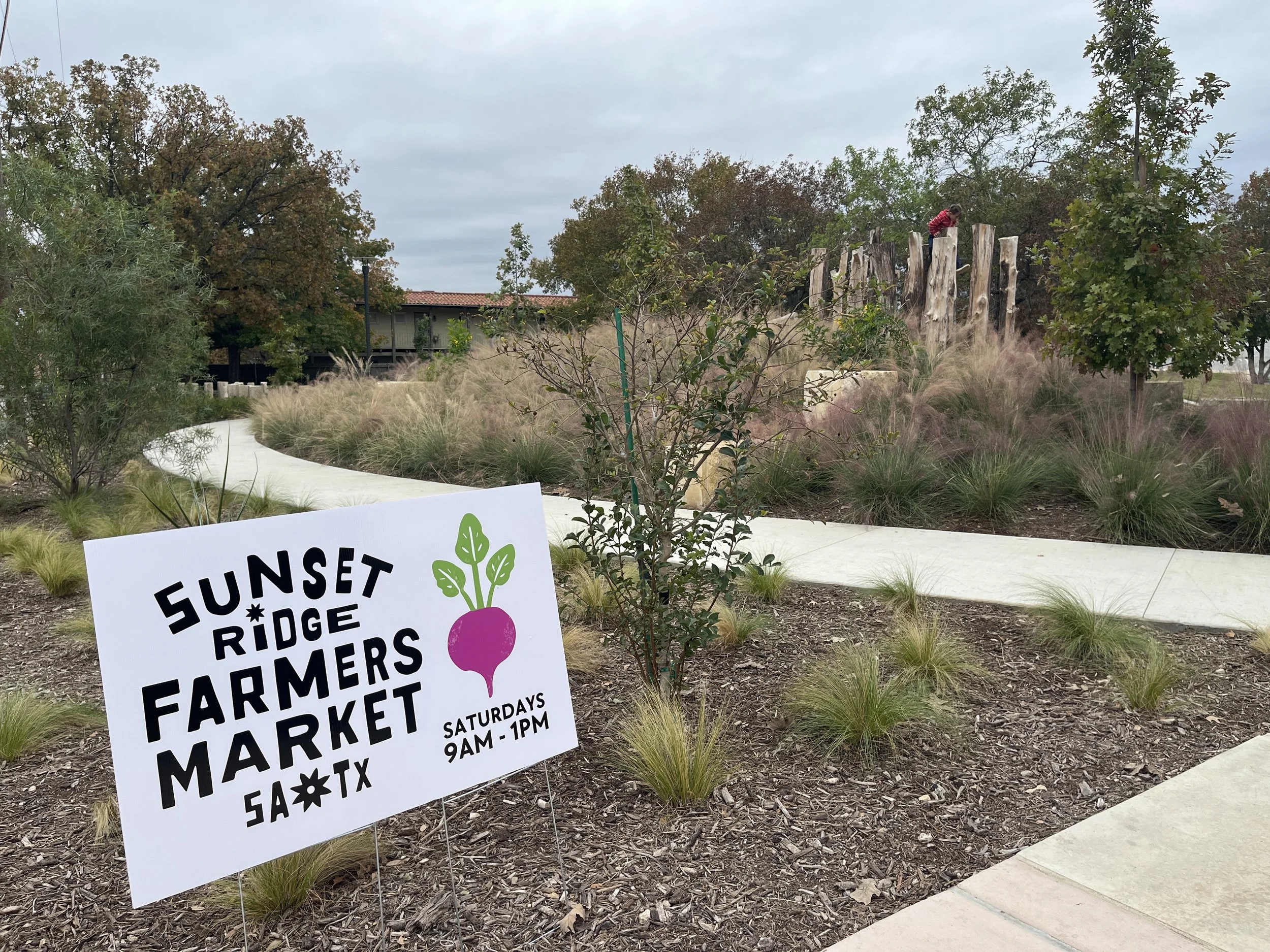
Furthermore, this relational ecosystem thrives on integrated community collaboration, closely tying Noonday's daily operations to the surrounding campus. Brown maintains a constant presence at the neighboring Old School Makerspace while actively partnering with Sarah Clavieres at the Sunset Ridge Collective and Farmers Market to weave Noonday's presence directly into the local neighborhood commerce.
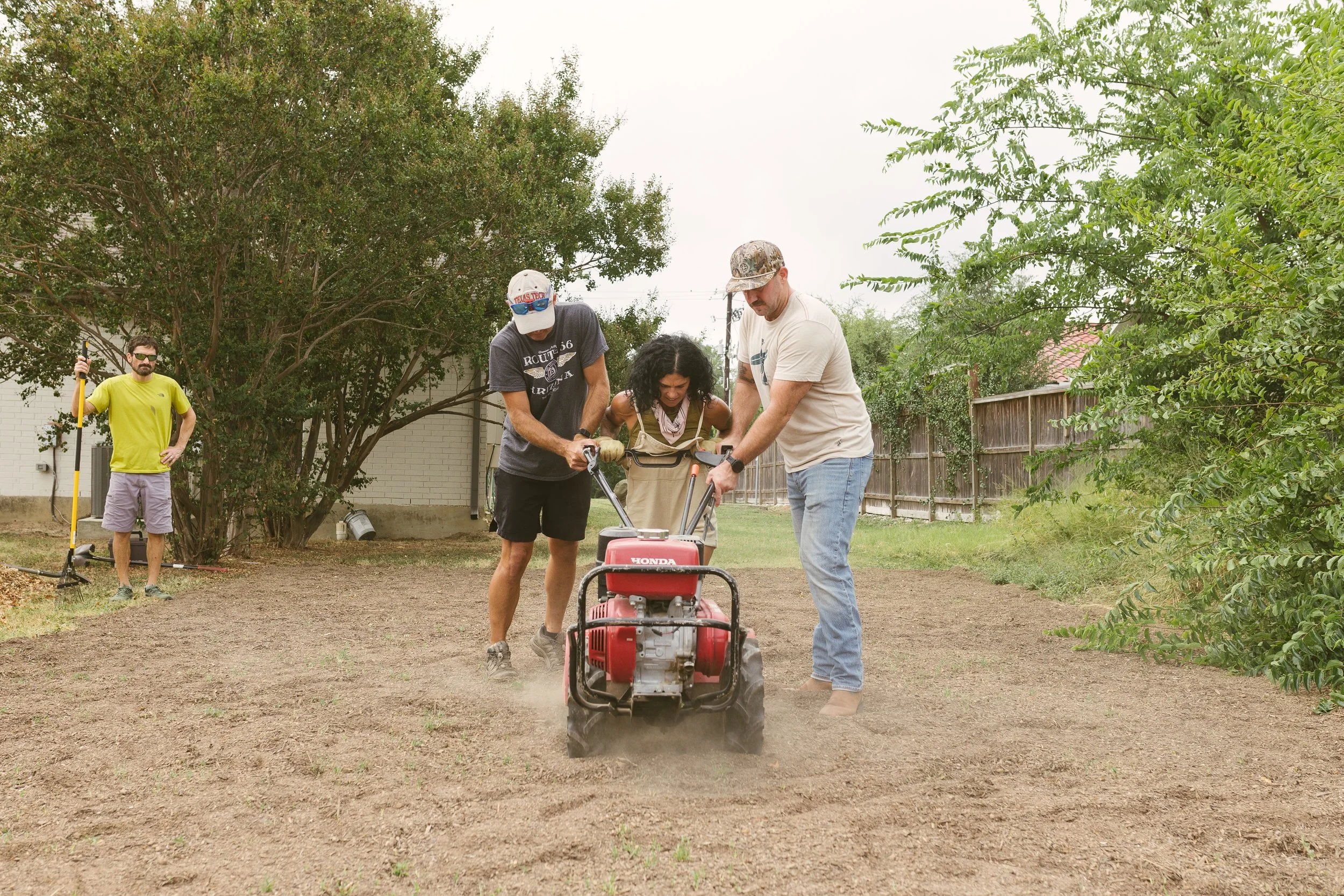
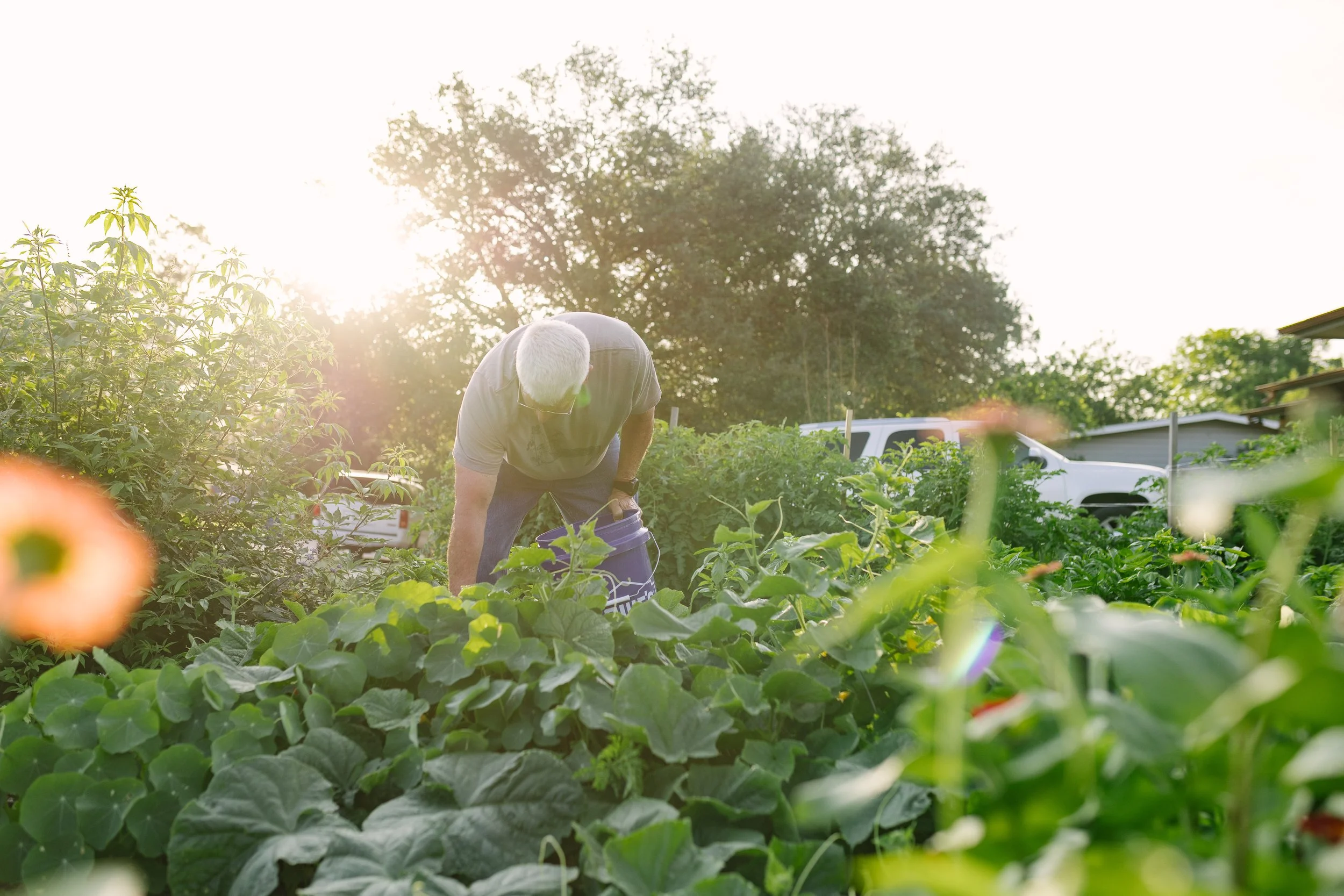
This massive web of interaction relies heavily on human resources. Brown estimates that volunteers generously donate over 20 hours of work every month. While many individuals drop in for one-off workdays, the mission is sustained by core recurring volunteers. Among them is Tom Kingman, Brown’s dependable right-hand volunteer on Monday mornings, who can seamlessly step in to manage harvests, pack boxes, and run distributions. This consistent teamwork has allowed Noonday to transition from a one-person-led effort into a true model of neighborhood apprenticing and shared labor.
The impact of this consistency is measurable. In just 40 weeks of produce box deliveries, the farm facilitated 587 unique conversations with 29 households. This "web of connectivity" is what Brown calls moving from "nourishment to companionship." By focusing on companionship, the farm addresses the "silent hunger" of isolation, ensuring that even when a neighbor’s physical needs are met, their emotional need for belonging is not ignored. “One must cultivate the soil, so to speak, for the connections to occur,” Brown emphasizes, “and we have to keep watering the seeds.”
Pillar 3
Economic Mobility
U.S. households spend just about 13% of their budget on food, according to the United States Department of Agriculture (USDA). That makes it the third-largest category after housing and transportation. So when inflation and production costs outpace wage growth as they have in recent decades, organizations like Noonday Farms provide a critical buffer for households when they need it most. According to the U.S. Census Bureau’s estimates based on its American Community Survey 2024, 13.8% of Bexar County residents received Supplemental Nutrition Assistance Program (SNAP) benefits in the previous 12 months. But as eligibility requirements have tightened over the past year, almost 40,000 fewer people were eligible in April of 2026 than in September of 2025, according to data from the Texas Department of Health and Human Services. Additionally, there are neighbors who work hard—the so-called "ALICE" (Asset Limited, Income Constrained, Employed) population—who often do not qualify for traditional government assistance but are still stretched thin by rising costs of living. For these groups, Brown’s efforts can make a significant difference.
THE ECONOMIC IMPACT
420 pounds of produce distributed monthly.
$100+ saved by families every month.
29 households provided a financial buffer.
Shifted from "food-insecure" to mutual aid.
Invested capital into regional farms.
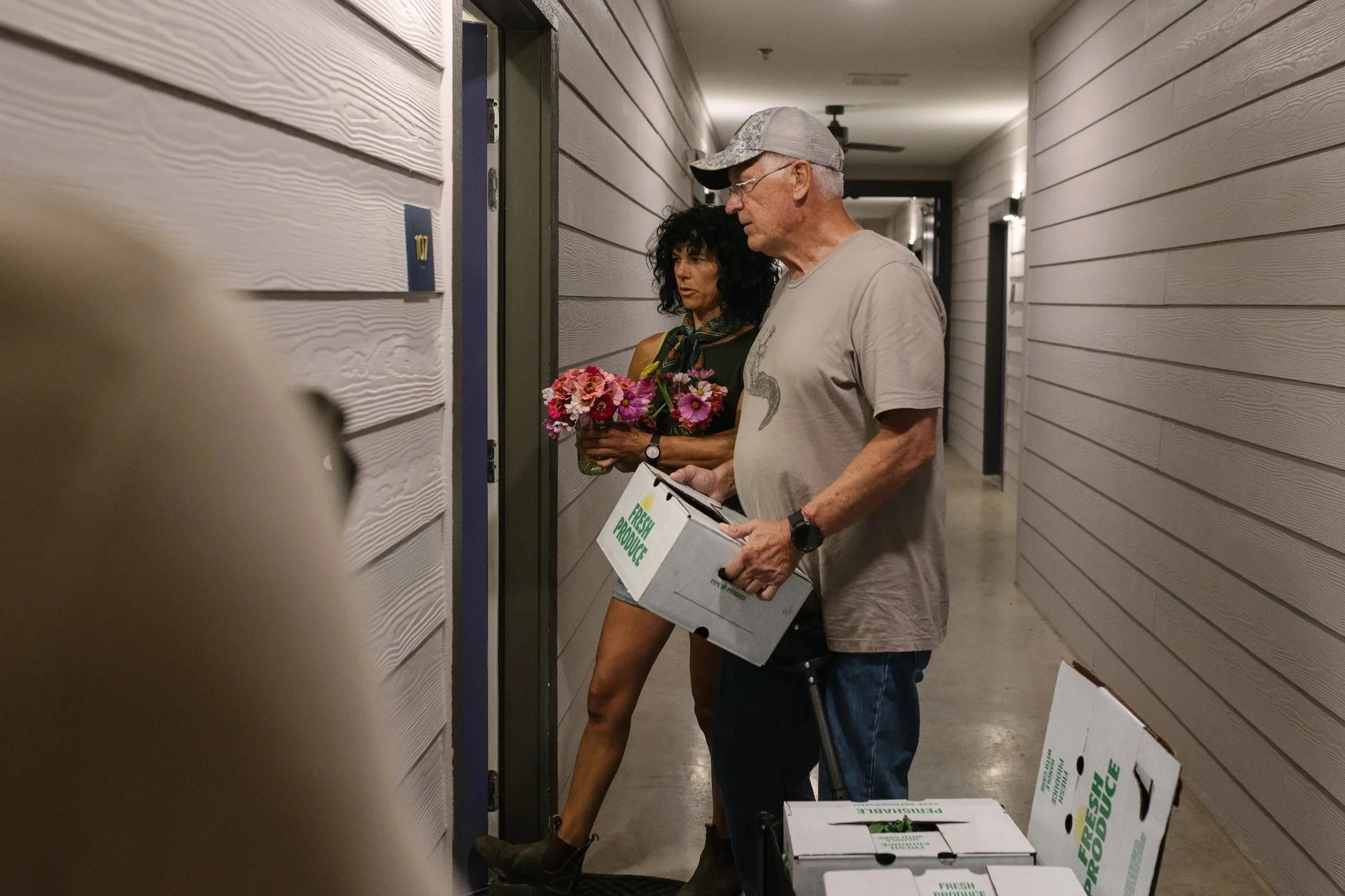
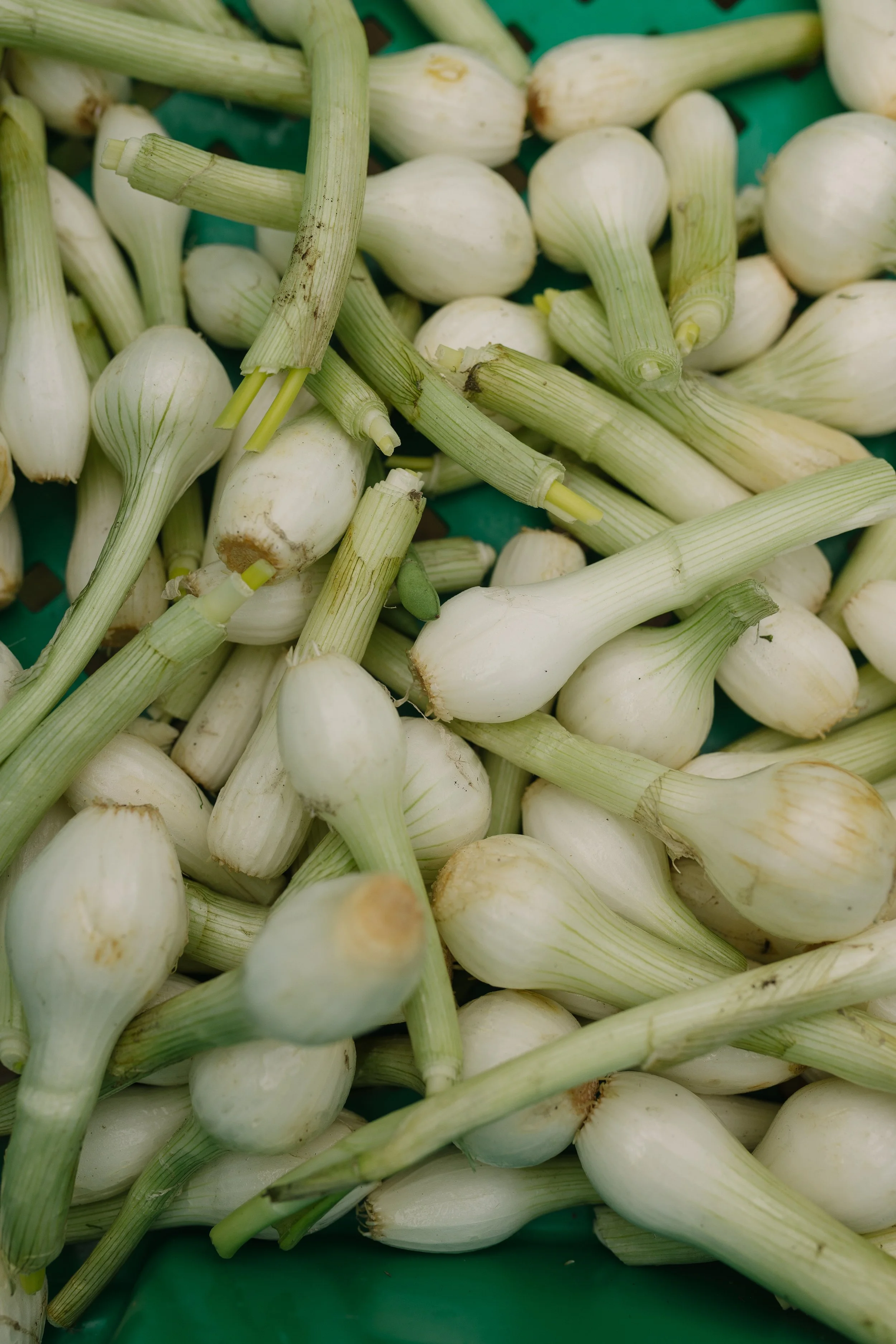
By tracking actual harvests through integrated digital data tools, Noonday has documented a major operational leap this year, already recording over 2,100 pounds of produce harvested so far in 2026. This rapid production scale-up translates to an average of 420 pounds of fresh, locally grown produce distributed each month at no cost to recipients, offering immediate financial breathing room. Brown calculates the economic baseline for each weekly subscription box at $25. For the 29 households currently receiving these boxes, this translates directly to more than $100 in monthly grocery savings. That’s tangible relief that immediately frees up limited income for other vital living expenses.
Beyond cold statistics, this model functions as a dignified, circular neighborhood economy. To eliminate the standard stigmas often associated with charitable systems, Brown has intentionally moved away from the term “food insecure” and adopted "food-challenged" instead. This shift emphasizes that Noonday’s operational structure is firmly built on the egalitarian principle of mutual aid. This ethos manifests beautifully in the field. Currently, the farm has a neighborhood participant who both donates to the organization and receives a weekly produce box. There is no rigid hierarchy of dependency in Noonday Farms, only neighbors leveraging their varied resources to take care of one another.
This localized approach allows Noonday to transform the $25 box metric into a powerful vehicle for seasonal philanthropy. By drilling down into these exact operational costs, donors can easily understand the impact their support makes: a single contribution of $1,000 directly sustains an entire food-challenged household, with a share in the harvest for a full, robust 40-week season.
Looking ahead, this economic model is designed to expand its financial impact from the consumer level directly back into the regional agricultural sector. As Noonday works toward serving even more households by the end of the year, Brown is finalizing structural partnerships with three independent local growers. Farming is a notoriously grueling and precarious livelihood. So by stepping in to support local producers—Clarke's Greens, Armadillo Gardens, and Shy Coyote Farm—Noonday infuses reliable capital back into regional operations. The wealth of the harvest is thus distributed in multiple directions, protecting vulnerable households from food premium shocks while simultaneously reinforcing the financial viability of the local agricultural workforce.
Pillar 4
Learning & Education
Noonday Farms strives to make its education like its food: rooted in the soil and available to everyone. “A big part of this work is empowering people, especially kids, to see that growing food is accessible,” Brown says. She views the farm as a space to help neighbors “remember the land," fostering a sense of stewardship that has been lost in the industrial food age. Through formal and informal learning—ranging from school field trips and classroom visits to story time for toddlers—the farm invites the next generation to see themselves as capable participants in the natural world. “You don’t need acres of land or specialized knowledge to begin. With a seed, water, sunlight, and a little attention, something can grow.”
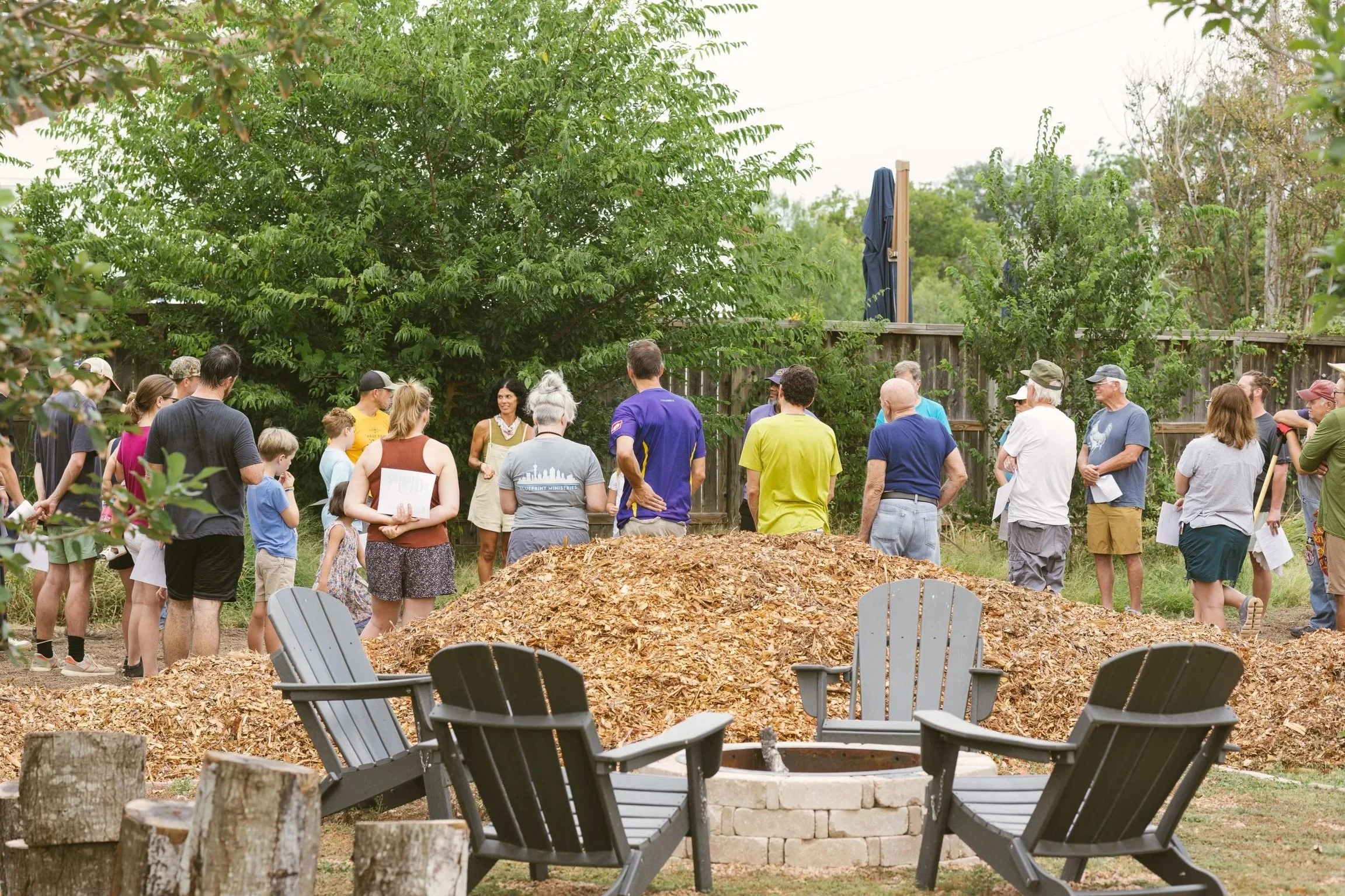
This hands-on educational approach has already ignited deep enthusiasm among local youth through a range of neighborhood programs. The weekly "Farm Story Times" have consistently drawn high engagement, welcoming 15 children in total during their first month of programming. Noonday also integrated directly with ASK Alamo Heights, an after-school Bible study program hosted at the Grace campus. This partnership brings more than 50 kids onto the property to get their hands in the dirt, empowering them to fill raised beds, seed flowers, and build a farm arbor completely by hand.
“You don’t need acres of land or specialized knowledge to begin. With a seed, water, sunlight, and a little attention, something can grow.”
To build the infrastructure for these youth programs, the Kellyanne Elizabeth Lytal Memorial Foundation and McCoy’s Building Supply collaborated to provide all the necessary lumber for the site's dedicated raised beds, built in memory of the young life lost at Camp Mystic during 2025’s flooding in Kerr County. The space has become a life-filled destination for local field trips, where preschoolers can plant bean seeds directly into the earth. When a group of children reads Anywhere Farm while sitting amidst rows of growing vegetables, the lesson becomes more than a story. By empowering kids and adults alike to recognize their latent ability to engage with and produce from the land, the farm builds long-term community resilience.
When Grace Northridge transformed an underutilized building on its campus into the Old School Makerspace, it birthed a creative coworking space where artists and craftspeople can share equipment, tools, workspace, and knowledge with one another. With the Makerspace’s focus on building community through hands-on art forms like woodworking, painting, drawing, and ceramics, Noonday Farms offers a complementary, agriculturally based community. Together, Noonday and the Makerspace make the campus at Grace Northridge a dynamic hub for education and knowledge-sharing that weaves the neighborhood together in ways both deep and diverse.
With an educational mission that includes everyone, Noonday creates a vital platform for sharing knowledge with other regional producers and households. Through informal apprenticing, Brown passes down crop planning, harvesting logistics, and sustainable growing techniques to the next wave of urban agriculturalists. “We are designed to engage with the natural world,” Brown opines. “Sometimes it’s less about teaching something new and more about helping people remember what they already carry inside them.”
Pillar 5
Health & Well-Being
In a clinical sense, health is often measured by the absence of disease. In the context of a flourishing community, however, health is defined by the presence of vitality. Noonday Farms approaches this pillar by addressing both the biological and the spiritual.
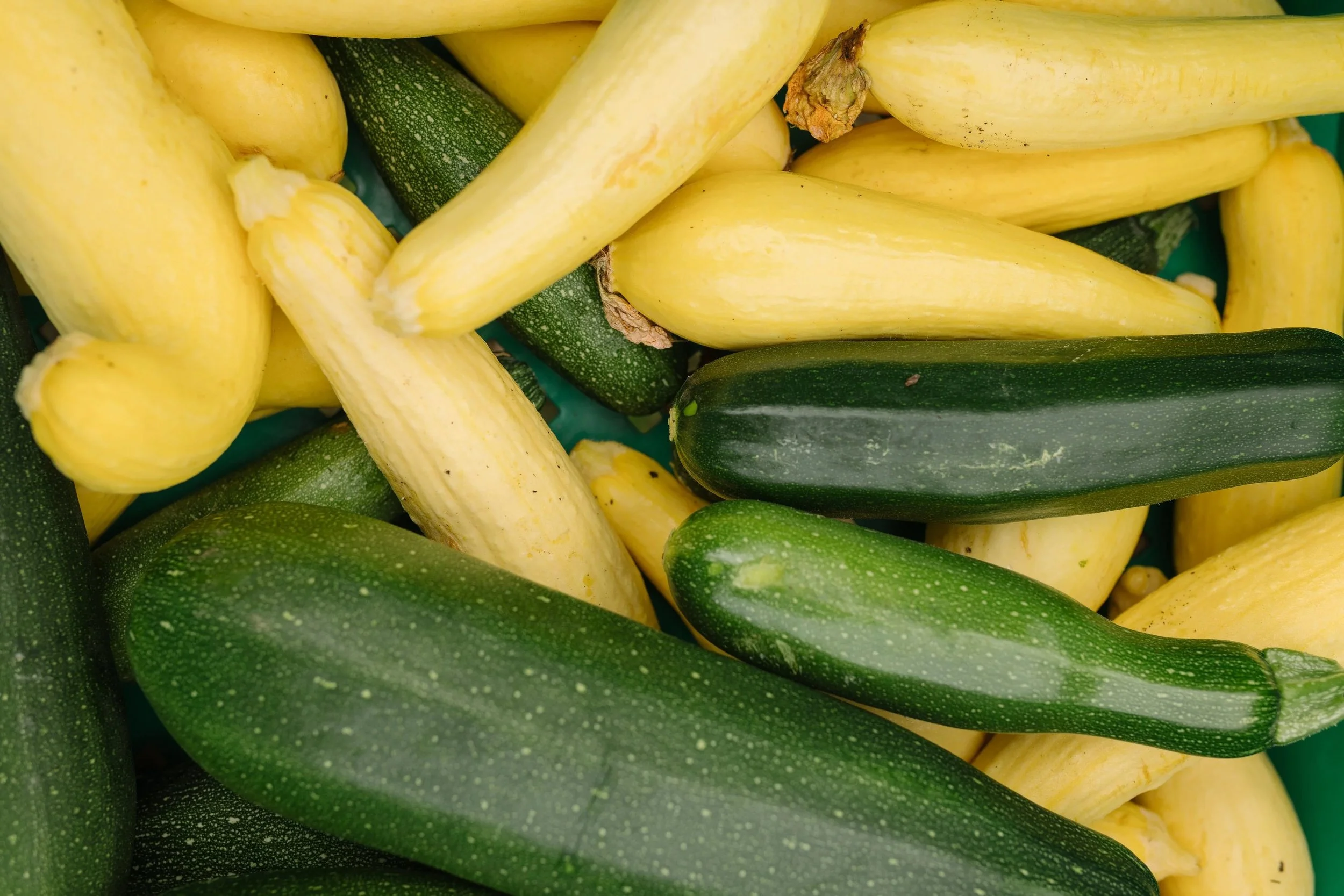
Since starting deliveries in May 2025, Noonday Farms has harvested and distributed over 3,400 pounds of fresh produce, factoring in both hyper-local yields and quality-controlled partner donations. By providing access to pesticide-free, nutrient-dense produce, the farm directly impacts the physical health of neighbors who might otherwise lack consistent access to fresh greens. This impact is particularly profound on San Antonio’s Westside. Through a partnership with El Templo Cristiano, Noonday is actively establishing a logistics pipeline along routes such as Castroville Road, Zarzamora, and Guadalupe Street, navigating the heart of one of the city’s starkest food deserts to ensure that vulnerable households have consistent access to fresh, nutritious local produce.
“I get to enjoy talking with someone, because I rarely go out. It gives me joy knowing that somebody cares about me.”
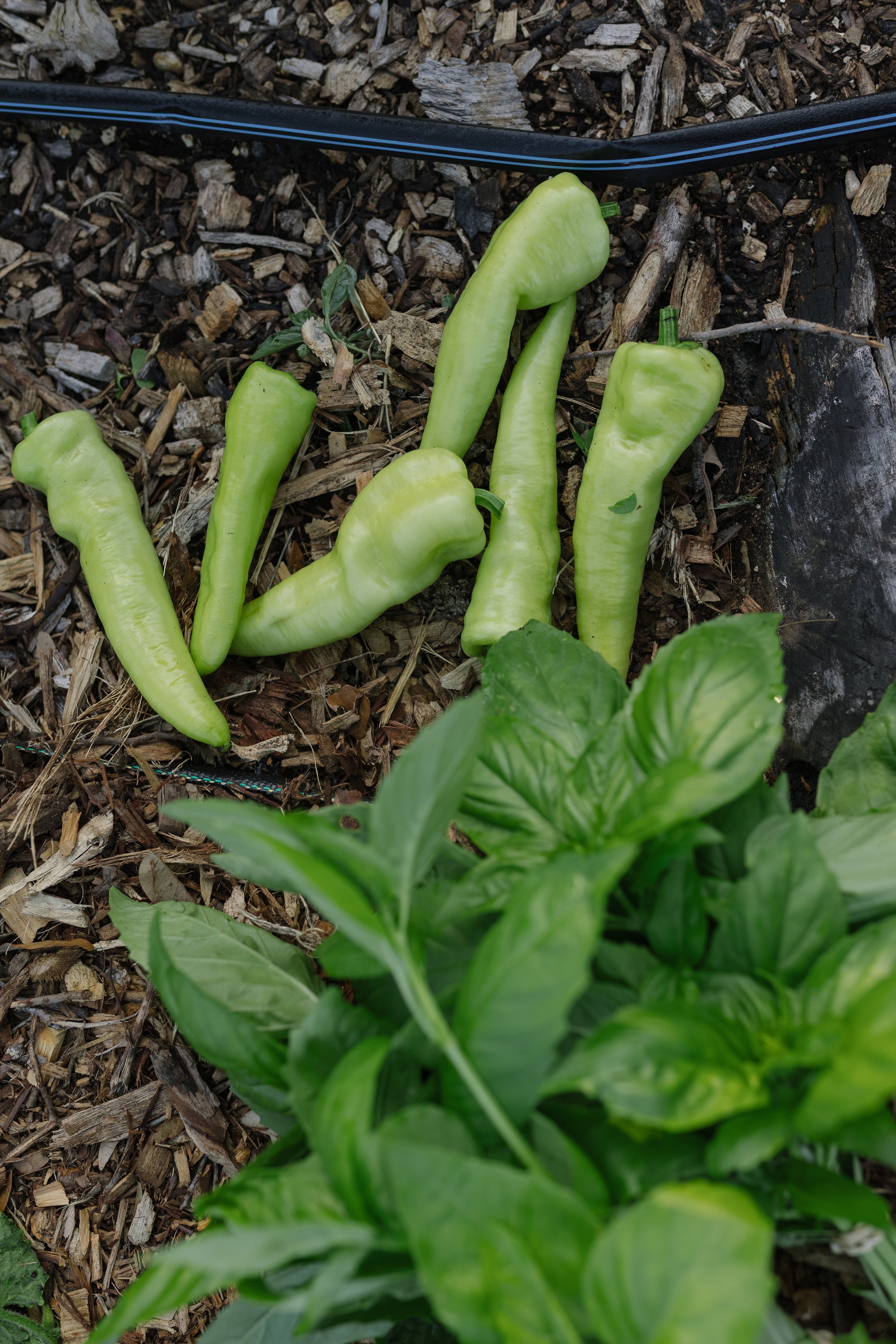
The actual act of gardening can have health benefits in and of itself. According to the American Diabetes Association, people who garden tend to consume more fiber-rich foods, spend more time engaging in physical activity, and also report a reduction in feelings of stress and anxiety. But the "soil and serotonin" effect goes much deeper than physical nutrition. Brown observes that the simple act of smelling fresh basil or placing hands in the dirt provides a profound sense of well-being that a grocery store aisle cannot replicate.
The impact of this targeted nutritional support is best reflected in the neighbors' own words. In recent organizational surveys, one resident shared, "I’ve most appreciated eating healthier and adding more greens in my and my daughter’s diet as well as connecting with the community!" Another participant noted that receiving the boxes reminds her that she matters. “I get to enjoy talking with someone, because I rarely go out. It gives me joy knowing that somebody cares about me.” On some weeks, the boxes include extra goodies like eggs or flowers, and, for many residents, exchanging last week's box and picking out a few fresh stems has become a beloved weekly ritual that brings tangible beauty directly into the home.
True holistic health requires cultivating mental, emotional, and spiritual vitality alongside the land. To nurture this, the Grace campus has intentionally leaned into deep, collaborative communal spaces. This summer, Brown is co-leading a discussion series centered on "Joy and Delight," drawing on texts and curriculum from the Dallas Art House. The group provides a reflective space for neighbors to slow down and dive into poetry, Psalms, paintings, and classic literature excerpts.
This programming highlights a rare, powerful trifecta on campus: the Grace congregation, the Old School Makerspace, and Noonday Farms are working in unison. Together, they are leaning into what it means to go deep, connect to the land, and practically live out “the body of Christ in the real world.” For the volunteers and the recipients alike, the farm offers a connection to the "Good Life,” a daily reminder of the glory imbued in creation and of our place within it.
The Way Forward
While numbers and statistics are an important testament to the land's productivity, an equally true metric of success lies in the hundreds of unique conversations and deepening roots of strategically situated farm sites. Amy’s operational vision has evolved from her original plan of launching multiple independent hubs across San Antonio. Instead, the strategic path forward is to firmly "root down" at the resource-rich Grace campus—fully leveraging its established cold storage, accessible parking, and geographical assets—and to "vine out" logistically from that central location, a strategy directly informed by the adaptive lessons learned from earlier satellite experiments like at Kingdom Life. This focused approach allows Noonday to expand its distribution footprint while remaining deeply intentional about meeting both the physical and emotional needs of food-challenged and isolated individuals through nutritional assistance, companionship, and service.
The vision for the future, therefore, is not just a larger farm, but a more connected network of neighbors stewarding their own front-yard invitations to connection. By partnering with The Impact Guild and the Climate Ready Neighborhoods program, as well as faith communities like Grace Northridge and El Templo Cristiano, Noonday Farms has moved beyond a solitary mission to become a blueprint for transforming latent assets into communal abundance. “As a leader, my role is to stay aligned with that mission, steward my own gifts, and invite others into theirs,” Brown says. “This work is deeply collaborative and ultimately guided by faith. I see it not as my project, but as something larger, unfolding for the good of the community and the glory of God.”
“Through growing and sharing food, we reconnect with ourselves, our neighbors, and the land,” Brown reminds us all. “At its heart, Noonday Farms is about using food as a common thread to build relationships and community.” The seed planted at 30,000 feet has now firmly taken root in the soil of neighborhoods across the city. Noonday has nurtured relationships with CRN Resource Partners and PODs such as the Sunset Ridge Collective, Terrell Heights Neighborhood Association, El Templo Cristiano, and more. And as Brown continues to lead this charge, she invites every neighbor to look at their own yard, church campus, or undeveloped lot as what it really is and has always been: a harvest waiting to begin.
Want to join the work of resilience? Visit Climate Ready Neighborhoods or email info@theimpactguild.com to connect and explore how you and your community can help our city become more sustainable, safer, and stronger together.
